
"1.7L boiler"
3000 article(s) found

Costa Rican Diamond Hill Manor single Black Coffee
Costa Rican coffee cultivation was introduced by Cuba in 1779 and exported for the first time in 1820. There are about 32000 coffee farmers, with an average planting area of less than one hectare (10000 hectares) per farmer. Costa Rica has a population of 41 billion (2006), with a coffee planting area of 82500 hectares and an annual production of 1.7 million bags (60kgs per bag). The annual domestic consumption is 380000 bags.

What is Ninety Plus 90 + | Ninety Plus 90 + rating details
90 + does not refer to all coffee with a rating of more than 90 points, it refers to a selection of top coffee series. They are produced in different manors and have different flavor characteristics. When processing, baristas will separate these coffees according to variety, climate and maturity and taste them one by one. They are like works of art that tend to be perfect. Baristas take great pains to make them.

Single boiler heat exchange coffee machine-which continent does not grow coffee espresso 4m law
Single boiler heat exchange coffee machine-which continent does not grow coffee espresso 4m law high pressure valve is a safety device, mainly to protect the safety of operators. Main principle: when the water in the boiler is heated to produce pressure, and the pressure in the boiler reaches the preset steam pressure, the valve will be opened and begin to relieve pressure, in order to avoid the pressure being too high to exceed the pressure bearing of the boiler itself.

Made by an Italian coffee organization? How do I use the coffee machine? What are the categories of coffee machines?
Professional coffee knowledge exchange more coffee bean information please pay attention to the coffee workshop (Wechat official account cafe_style) Italian coffee machine construction? How do I use the coffee machine? What are the categories of coffee machines? In the early days, coffee shops in Taiwan mostly brewed coffee in both hand-made and race-style ways, but now most coffee shops add an extra Italian machine for business use. I'll be simple first.

General knowledge of boutique coffee explains what caffeine is
What is caffeine? in fact, we are in contact with caffeine every day. The main source of caffeine in the food industry is coffee beans. But the caffeine content of coffee beans varies from breed to breed. Some trees found in Ethiopia in 2004 contained 15 times more caffeine than the average. The amount of caffeine in a cup of coffee ranges from 75 to 250 milligrams. Caffeine in tea and cola

Fine Coffee basic knowledge of Coffee what is caffeine
What is caffeine? in fact, we are in contact with caffeine every day. The main source of caffeine in the food industry is coffee beans. But the caffeine content of coffee beans varies from breed to breed. Some trees found in Ethiopia in 2004 contained 15 times more caffeine than the average. The amount of caffeine in a cup of coffee ranges from 75 to 250 milligrams. Caffeine in tea and cola
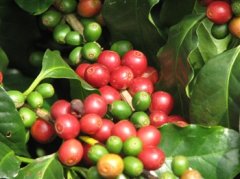
Initial processing requirements of Yunnan Coffee (Arabica species)
Technical requirements for the initial processing of small seed (Arabica seed) Coffee 1. There are two processing methods for coffee beans made from fresh coffee fruits, namely wet processing and dry processing. The first and second grade fruits are processed by wet method, and the third grade fruits are processed by dry method in areas without peeling machine and lack of water. 2. Processing technology 2.1 equipment and facilities should be equipped with fresh fruit collection pool and siphon
The method of primary processing of small coffee beans
Technical requirements for the initial processing of small seed (Arabica seed) Coffee 1. There are two processing methods for coffee beans made from fresh coffee fruits, namely wet processing and dry processing. The first and second grade fruits are processed by wet method, and the third grade fruits are processed by dry method in areas without peeling machine and lack of water. 2. Processing technology 2.1 equipment and facilities should be equipped with fresh fruit collection pool and rainbow

Sky.zhaoyao Coffee Machine: the principle of single Boiler Heat Exchanger
Sky.zhaoyao 's coffee machine: the principle of a single boiler heat exchange since Luigi Bezzera launched the first commercial coffee machine with steam pressure in 1901, whether it is the Pavoni Gaggia or other machines that use steam or pistons as pressure, there is only one boiler: the bottom of the boiler is the hot water for brewing coffee, and the top provides steam, but in order to produce steam, the whole

The principle of single boiler heat exchange for Italian coffee machine
Sky.zhaoyao 's coffee machine: the principle of a single boiler heat exchange since Luigi Bezzera launched the first commercial coffee machine with steam pressure in 1901, whether it is the Pavoni Gaggia or other machines that use steam or pistons as pressure, there is only one boiler: the bottom of the boiler is the hot water for brewing coffee, and the top provides steam, but in order to produce steam, the whole

Boutique coffee beans at Diamond Hill Manor in Costa Rica
Costa Rican coffee cultivation was introduced by Cuba in 1779 and exported for the first time in 1820. There are about 32000 coffee farmers, with an average planting area of less than one hectare (10000 hectares) per farmer. Costa Rica has a population of 41 billion (2006), with a coffee planting area of 82500 hectares and an annual production of 1.7 million bags (60kgs per bag). The annual domestic consumption is 380000 bags.
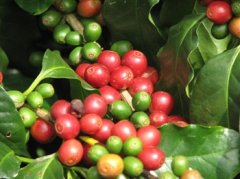
Technical requirements for primary processing of coffee in Yunnan (Arabica species)
Technical requirements for the initial processing of small seed (Arabica seed) Coffee 1. There are two processing methods for coffee beans made from fresh coffee fruits, namely wet processing and dry processing. The first and second grade fruits are processed by wet method, and the third grade fruits are processed by dry method in areas without peeling machine and lack of water. 2. Processing technology 2.1 equipment and facilities should be equipped with fresh fruit collection pool and siphon
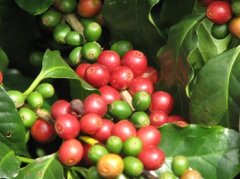
The primary processing technology of coffee in Yunnan requires Arabica species
Technical requirements for the initial processing of small seed (Arabica seed) Coffee 1. There are two processing methods for coffee beans made from fresh coffee fruits, namely wet processing and dry processing. The first and second grade fruits are processed by wet method, and the third grade fruits are processed by dry method in areas without peeling machine and lack of water. 2. Processing technology 2.1 equipment and facilities should be equipped with fresh fruit collection pool and siphon
Fine coffee technology Technical requirements for the initial processing of Yunnan Coffee
# FormatImgID_0# small seed (Arabica seed) Coffee initial processing Technical requirements 1. Processing methods there are two processing methods for coffee beans made from fresh coffee fruits, namely wet processing and dry processing. The first and second grade fruits are processed by wet method, and the third grade fruits are processed by dry method in areas without peeling machine and lack of water. 2. Processing technology 2.1 equipment and facilities should be provided with fresh food

The basic knowledge of coffee machine the principle of single boiler heat exchange
Since Luigi Bezzera launched the first commercial coffee machine with steam pressure in 1901, whether it is the Pavoni Gaggia or other machines that use steam or pistons as pressure, there has been only one boiler: the bottom of the boiler is the hot water for brewing coffee, and the top provides steam, but in order to make steam, the whole boiler must be heated to boiling, causing hot water near the boiling point to burn.
Coffee machine: the principle of single boiler heat exchanger
Sky.zhaoyao 's coffee machine: the principle of a single boiler heat exchange since Luigi Bezzera launched the first commercial coffee machine with steam pressure in 1901, whether it is the Pavoni Gaggia or other machines that use steam or pistons as pressure, there is only one boiler: the bottom of the boiler is the hot water for brewing coffee, and the top provides steam, but in order to produce steam, the whole

The initial processing technology of coffee in Yunnan requires Arabica to grow coffee beans.
Technical requirements for the initial processing of small seed (Arabica seed) Coffee 1. There are two processing methods for coffee beans made from fresh coffee fruits, namely wet processing and dry processing. The first and second grade fruits are processed by wet method, and the third grade fruits are processed by dry method in areas without peeling machine and lack of water. 2. Processing technology 2.1 equipment and facilities should be equipped with fresh fruit collection pool and siphon

Coffee on the tip of the tongue 17 things you don't know about coffee
one. Although it consumes 1.6 billion of the world's leading colas and 1.7 billion cups of coffee a day. Coffee wins! 2. The United States is responsible for 35% of global coffee consumption. This means that 3 million people drink about 4 million cups of coffee a day in the United States. The first coffee advertisement appeared in American newspapers in 1790. four. The coffee machine was invented in Italy in 1901. The man's name is Luigi Bezzera.